A History of Workplace Automation: From Typewriters to AI

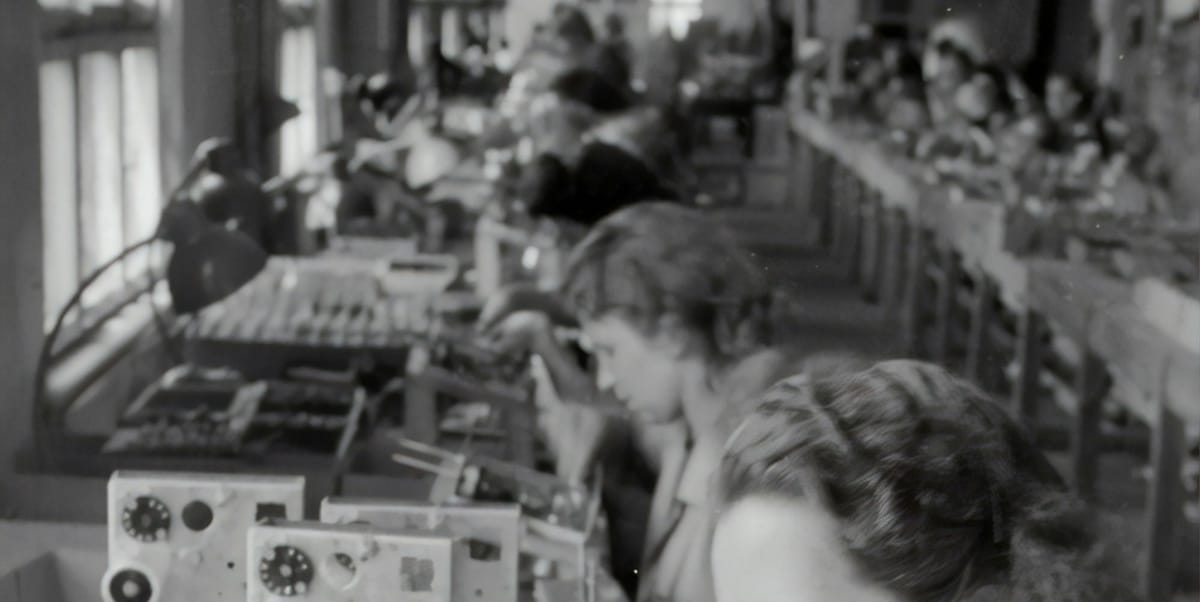
Automation isn't new. For over a century, technological leaps have transformed how work gets done, particularly the repetitive and tedious parts no one enjoys. Today, AI accelerates this trend, automating the "not-so-fun" bits of jobs and internships that were once delegated to humans.
Let's take a journey through history to see how each major innovation shaped day-to-day work and how people prepared themselves to thrive in the shifting landscape. Then we'll see what that means for you today and how tools like Autessa can help.
1. The Typewriter and Typing Revolution (1870s–1950s)
Before computers entered the workplace, the typewriter was the original automation technology. Introduced in the 1870s, it transformed how business communication happened. Typewriters replaced handwritten correspondence with standardized, legible documents at unprecedented speed.
Typing pools became a fixture of offices by the early 20th century. The ability to type wasn't just useful; it became a gatekeeper skill for entire categories of employment. Secretarial work, journalism, and administrative roles all required proficiency at the keyboard.
The rhetoric of the time echoed concerns we hear today: Would machines make handwriting obsolete? Would typists replace clerks? As it turned out, typing didn't eliminate jobs, it created new ones and raised the bar for what "office-ready" meant.
How people adapted:
Those who learned to type, especially touch typing, gained access to stable, well-paying office work. Typing courses became a staple of vocational education. What was once a specialized skill became a universal expectation, setting the precedent for every technology shift that followed.
2. The Mainframe and Early Computing Era (1950s–1970s)

Computing was a vastly different world in its early days. Teams worked in specialized rooms with massive mainframes, programming via punch cards. Office staff who had mastered the typewriter now began transitioning to word processors. The keyboard skills they'd developed carried forward, but the tools were evolving.
The public viewed computers as complex, mysterious machines, a far cry from today's omnipresent devices. Anxiety existed, but computers were still a novelty reserved for large corporations and government agencies.
How people adapted:
Early adopters who learned programming languages like COBOL or FORTRAN quickly found themselves in demand. They took technical support roles or programming jobs, positioning themselves advantageously for the future. The pattern from the typewriter era repeated: those who embraced the new tool thrived.
3. The Personal Computer Revolution (1980s–1990s)
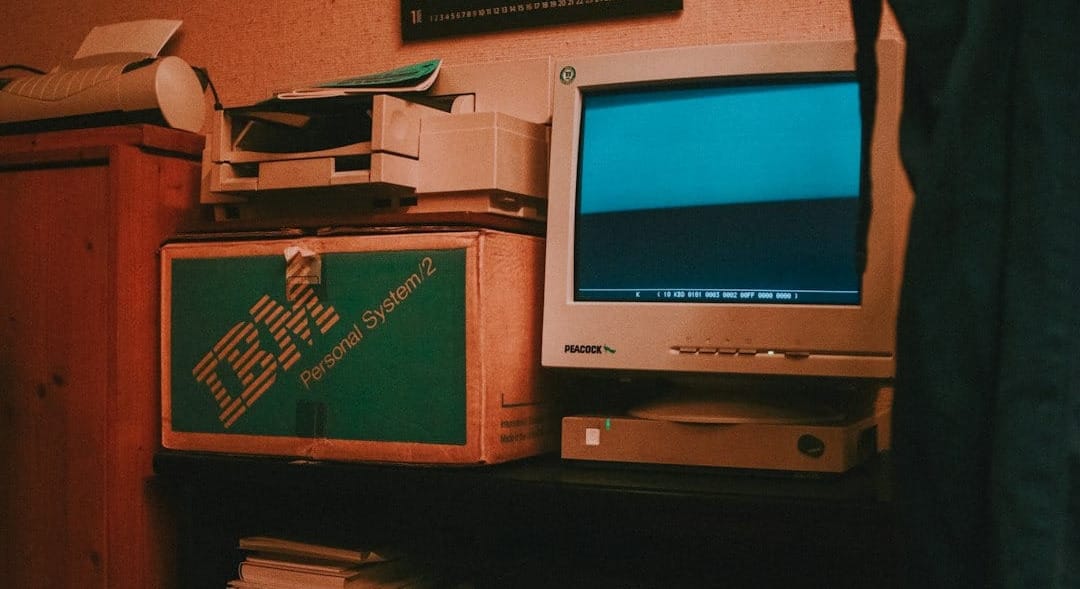
With personal computers arriving on desks, clerical work, design, and engineering became more digital and efficient. Work was no longer confined to specialized rooms. The PC was now a personal tool, both intimidating and empowering.
Rhetoric around PCs mixed excitement with fear, as often happens with new innovations. Would they eliminate jobs or boost productivity? Sound familiar?
How people adapted:
Those who proactively learned software – spreadsheets, word processing, databases – were the winners. Clerks and assistants who mastered these tools elevated their roles rather than finding themselves replaced. The keyboard remained essential, but now it was a gateway to entirely new capabilities.
4. The Internet and Mobile Computing Era (2000s–2010s)

Laptops, smartphones, and cloud computing enabled work from anywhere. Communication and collaboration went digital, changing the rhythm and geography of work.
The rhetoric celebrated flexibility and efficiency, though concerns about security and blurred work-life boundaries emerged. Remote work went from rare perk to real possibility.
How people adapted:
Digital literacy, remote collaboration, and self-discipline became coveted skills. Project managers who mastered online tools found new ways to lead distributed teams, gaining leadership opportunities in a transformed world.
5. Flow Builders and Intent-Driven Chatbots (2010s)
As the 2010s progressed, automation tools became accessible to non-programmers for the first time. Drag-and-drop flow builders and intent-driven chatbots emerged, moving beyond simple rule-based systems by structuring conversations around user intents and contexts.
Developers often still needed programming and logic foundations to design effective conversational flows, which relied on predefined intents and deterministic paths. But this period marked a shift toward more dynamic, AI-driven interactions – particularly in customer service and business process automation.
How people adapted:
Business analysts and customer service professionals who learned to design conversation flows found themselves bridging the gap between technical teams and business needs. Non-developers who embraced no-code flow builders became valuable assets, automating routine interactions while freeing human agents for complex cases. The ability to think in terms of user journeys and decision trees, without writing code, became a differentiating skill.
6. Nuanced Flows and Creative Automation (2020s)
Building on the foundations of intent-driven chatbots, the 2020s introduced a new era of nuanced workflow automation powered by large language models. These models exhibit sophisticated abilities like "chain of thought" reasoning, enabling complex tasks with intermediate steps that earlier systems couldn't handle.
Modern LLMs integrate with external tools and iteratively manage workflows, surpassing the limitations of rule-based flows. This flexibility allows for adaptive, context-aware automation that handles ambiguous or creative scenarios.
However, such power requires smart guardrails to maintain reliability and safety. Balancing creative AI capabilities with robust control mechanisms is crucial to deploying trustworthy intelligent workflows.
How people can adapt:
Today's professionals are learning to work alongside AI rather than just using it as a tool. This means developing skills in prompt engineering, understanding when to apply guardrails, and knowing how to validate AI outputs. Those who learn to orchestrate LLM-powered workflows will be best positioned for leadership roles. The winners won't be those who fear AI or ignore it, but those who learn to direct it effectively.
The Pattern Is Clear
From typewriters to personal computers, from the internet to intelligent agents, each wave of automation raised the baseline of what workers were expected to know. And each time, the people who leaned in early were the ones who thrived.
What This Means for Jobs and Internships Today
Internships, once a place for entry-level workers to handle routine tasks, are evolving. With AI automating many of those "not-so-fun" chores, internships now demand readiness to engage with abstract problem-solving and collaboration.
The expectation has shifted. In the same way typing became a baseline skill a century ago, knowing how and when to work with AI tools is becoming fundamental today.
Meet Autessa: Your Partner for the AI-Driven Workplace
This is where Autessa comes in.
Autessa makes incorporating AI into your workflows approachable and transparent. It helps you break down complex automation problems, understand what's happening under the hood, and prepare for a labor market shaped by smart automation.
By learning how automation works with Autessa, you're not just adopting a tool. You're building transferable skills that keep you relevant in an ever-evolving workplace.
Why Learning These Skills Matters More Than Ever
History teaches us that every technological leap raises expectations. Typing became fundamental. Then spreadsheets. Then email. Now, understanding how to automate tedious tasks is next.
The good news? You don't have to wait to be "ready." Start now, build your automation literacy, and position yourself not just to survive but to lead in the new age of work.
References and Further Reading:
- Stanford HAI: Assessing the Real Impact of Automation on Jobs
- Brookings: Understanding the impact of automation on workers, jobs, and wages
- NBER Working Paper: Artificial Intelligence, Automation, and Work
- Study.com: IDE History and Evolution
- ODSC Medium: The Rise of AI-Powered IDEs
- University of San Diego: AI Impact on Job Market